
Essential Forex Trading Strategies for Beginners
Forex trading can be a lucrative venture, but it comes with its fair share of risks. As a beginner, understanding the foundational strategies can significantly enhance your chances of success. In this article, we will explore various forex trading strategies suitable for newcomers, including risk management techniques, technical analysis, and the essential psychological aspects of trading. If you’re ready to dive into the world of Forex, consider starting with forex trading strategies for beginners Forex Trading Platforms that best meet your needs.
Understanding Forex Trading
Forex, or foreign exchange, is the market where currencies are traded. It is the largest financial market in the world, with trillions of dollars traded every day. As a beginner, understanding how the market operates is crucial. The Forex market operates 24 hours a day, five days a week, and it involves the trading of currency pairs, such as EUR/USD or GBP/JPY. Prices fluctuate based on economic indicators, political events, and market sentiment.
Importance of a Trading Plan
Every successful trader has a well-defined trading plan. A trading plan outlines your trading goals, risk tolerance, and specific strategies you plan to employ. Establishing a trading plan will help you remain disciplined and focused, reducing the emotional impact of trading decisions.
1. Risk Management Strategies

Managing risk is an integral part of Forex trading. As a beginner, you should understand how to protect your capital and minimize losses. Here are some essential risk management strategies:
- Use Stop-Loss Orders: Implementing stop-loss orders can help you cut your losses early. A stop-loss order automatically closes your trade when the price reaches a predetermined level.
- Position Sizing: Determine the appropriate size of your trades based on your risk tolerance. A common rule is to risk only 1-2% of your trading capital on a single trade.
- Diversification: Avoid putting all your capital into one trade or currency pair. Diversifying your trades can help minimize risks.
2. Technical Analysis
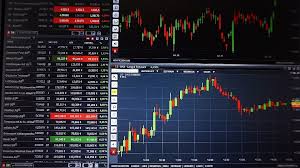
Technical analysis involves analyzing historical price data to forecast future price movements. As a beginner, familiarizing yourself with the key concepts of technical analysis can help enhance your trading strategies. Here are some fundamental tools and indicators to consider:
- Charts: The most common types of charts are line charts, bar charts, and candlestick charts. Each provides a different perspective on price movements.
- Key Indicators: Indicators like Moving Averages, Relative Strength Index (RSI), and Bollinger Bands can help you identify trends and potential price reversals.
- Support and Resistance Levels: Identifying these levels will help you understand potential price barriers and make more informed trading decisions.
3. Fundamental Analysis
Alongside technical analysis, understanding fundamental analysis is vital for Forex trading. Fundamental analysis examines economic indicators, news events, and geopolitical issues that can influence currency movements. Here are some key factors to consider:

- Economic Indicators: Keep an eye on key economic indicators like GDP growth, unemployment rates, and inflation, as they can influence currency values.
- Interest Rates: Central banks set interest rates, and changes can have a significant impact on currency strength.
- News Events: Major political events and announcements can cause market volatility. Be aware of upcoming news events that may affect your trades.
4. Emotional and Psychological Aspects
Trading psychology is often overlooked but is crucial for long-term success. Emotions like fear and greed can significantly impact your decision-making processes. Here are some tips to manage your emotional state:
- Stick to Your Plan: Follow your trading plan rigorously, and avoid making impulsive decisions based on emotions.
- Accept Losses: Understand that losses are part of trading. Accepting them and learning from mistakes is essential.
- Maintain a Trading Journal: Keeping a record of your trades can help you reflect on your decisions and improve your strategies over time.
5. Demo Trading
Before committing real money to your trading account, consider practicing on a demo account. A demo account allows you to trade with virtual money, providing you with the opportunity to test your strategies without risk. Many Forex brokers offer demo accounts, enabling you to familiarize yourself with the trading platform and various market conditions.
Conclusion
Forex trading can be overwhelming for beginners, but with the right strategies and mindset, it can also be rewarding. Focus on building a solid trading plan, practicing effective risk management, and continually educating yourself about technical and fundamental analysis. Remember that trading psychology plays a significant role in your success, so work on cultivating a disciplined and patient mindset. Start with a demo account to gain confidence before transitioning to live trading. With dedication and practice, you can become a successful Forex trader.


